Showing posts with label Disease. Show all posts

How Chiropractic Care Eases the Most Common Types of Back Pain

Do you suffer with low back pain? Well, you’re not alone, back pain is one of the most common reasons for missed work and the second most common reason for visiting a doctor (trailing only the common cold).

Why is back pain so common?

There are many answers to that question. Many back pain patients suffer because of one of the following three reasons:

Back Injury

A person can injure their back by lifting a heavy object with poor form, overexertion, or moving the wrong way. Automobile accidents are a common cause of back pain. It has been demonstrated and studied, that an accident at speeds as low as 8 miles per hour has the potential to cause significant damage to the spine. The muscles, ligaments, and discs in the back can be strained, torn, or damaged. Additionally, our sedentary lifestyles take a toll on our backs. Our bodies are meant to move and be active. Sitting for extended periods of time actually contributes to disc decay in the spine.

Acute pain, due to a recent incident, is typically temporary. So when the injury heals, the pain lessens or disappears completely. Over the counter medications such as analgesics, topical creams, and anti-inflammatory drugs may help manage back pain symptoms caused from an injury, but unfortunately won’t fix the problem. They also carry side effects such as kidney, stomach, or liver damage with prolonged use.

Chiropractic care will lessen acute pain and help you recover from a back injury. By performing gentle adjustments on the spine, a chiropractor can help relax injured muscles and relieve acute pain faster than simply waiting for inflammation to go away on its own. Oftentimes, an acute injury that is not addressed can lead to further problems.

Medical condition or illness

In addition to acute injuries, there are several illnesses that cause back pain. Fibromyalgia, osteoarthritis, inflammatory diseases like Rheumatoid and Psoriatic arthritis, and scoliosis are some of the common conditions that cause back pain. Because these conditions can lead to pain that lasts over a long period of time, this type of pain is called chronic pain.

Chronic pain is an entirely different than acute pain, and patients who suffer often look for options outside of traditional medication. Chiropractic care is an excellent choice relieve chronic back pain.

Adjustments to the spine can promote a healthy spine, which in turn can lead to a healthier body, as well as provide relief from the pain. Chiropractic care for chronic medical conditions may take longer to show results, so the patient must be committed to the treatment plan the chiropractor suggests in order to enjoy the maximum benefits of chiropractic care. A basic rule of thumb is that the longer the problem has persisted, the longer it may take to correct it. A simple case of acute low back pain may be corrected with one treatment. Chronic low back pain that has been there for 10 years may take a while to improve and may never completely go away.

Poor lifestyle choices

Lifestyle choices can affect our health negatively or positively. Obesity, lack of exercise, and smoking can result in health issues that cause back pain.

Additional weight puts extra stress on the discs of the spine and can eventually lead to chronic pain.

Smoking is a habit that has many negative consequences, including increasing the chances for back pain. According to the National Institute of Arthritis and Musculoskeletal and Skin Diseases smoking can cause a lack of nutrients which affects the back’s discs. In addition, people who smoke tend to heal more slowly, so smoking can actually increase the length of time a person must endure back pain. Nicotine can also lead to hypersensitivity of muscles, leading to a greater chance of muscle pain.

Exercise increases a person’s strength in muscles and tendons, while a sedentary lifestyle weakens a person’s body, often bringing on back pain, as well as other health issues.

Chiropractic care can assist in lessening a patient’s back pain, which then leads to better lifestyle choices, encouraging a lifestyle of wellness, not just treatment.

Feeling better often prompts patients to embark on a fitness routine, eat healthier, and quit smoking. Exercise regimens that include strength training can positively impact a person’s health in a number of ways, including back pain reduction.

Relief through Chiropractic Care

Millions of people struggle with back pain on a daily basis. Fortunately, there are multiple ways to treat both the symptoms and the underlying causes. Chiropractic care, either alone or in a combination with other medical treatments, is one of the best choices available today. Because it targets the cause of the pain (instead of simply masking it) and it does so through non-invasive, low risk treatment plans, chiropractic care is becoming more popular among both doctors and their patients. If you are suffering back pain for any reason, contact Middletown Chiropractic today and schedule your free consultation!
Share:

Chess can be Cure or Disease

He was in his mid forties and there was nothing better for him than playing chess online. He had loved the game since his youth, but didn´t become hooked until worthy opponents were always within a few clicks´ reach.

He started to miss work, spent whole nights in front of the screen, eventually got missing. His wife didn´t see him for days. Later it turned out that he spent them locked away in the attic, idling away on online games and sleeping right there not to be bothered by anyone or anything but chess. Later was when his wife dragged him to a therapist. The couple went there three times but to no avail. The man didn´t find anything wrong with his constant urge to play chess. Nor with giving up on life apart from the game.

Developing a behavioural addiction in mid life is not unusual, we were told by this man´s therapist. He usually treats patients who gamble online or spend their wake life with video games. But he wasn´t aware that chess could be fast enough to constantly trigger dopamine responses. When he learned about the very fast time limits of online chess, he confirmed that it can be addictive.

We have learned of grandmasters who blitz away far beyond what could be legitimated as training or having fun. The majority of those who loose control over their online play are amateurs. What can online chess servers do to help players at risk?

When we invited Danny Reinsch, Vice President of Chess.com, the biggest chess server, he was certainly aware of the problem. He pointed out though that some of the heaviest players used to have more damaging addictions in the past. Chess was rather a path out of the dark for them.

Online chess addiction is one of the aspects in our path breaking workshop Chess and Addiction. Sabine Vollstädt-Klein from the Central Institute of Mental Health in Mannheim and Professor at the University of Heidelberg reviews the latest research on cognitive remediation therapy, which suggests that chess could be an effective and cheap intervention for some addiction patients. In Brazil chess has already been tried as a therapy for drug users. Darcy Lima will present promising data from a brand new study.
Share:

Arm Artery Disease

Arm artery disease is a circulatory disorder caused by narrowed blood vessels.

Arm artery disease is a type of peripheral artery disease. It is a circulatory disorder in which the arteries in the arm become narrow or blocked, unable to carry oxygen-rich blood into the arms. Arm artery disease is usually caused by atherosclerosis. Risk factors that contribute to arm artery disease are:

Tobacco use
Obesity
Sedentary lifestyle
High blood cholesterol
High blood pressure
Diabetes
Family history of heart disease
High-saturated fat diet
Genetic factors

Many of these risk factors can be reduced or eliminated by changing your lifestyle. Symptoms

If you have arm artery disease, you may experience these symptoms in your arm:

Intermittent claudication (discomfort or pain that occurs when exercising)
Tightness
Numbness
Cramping
Heaviness or weakness
Muscle atrophy (wasting)

The pain may stop when you rest. As the disease develops, you may experience cool, pale or reddish-blue skin. You may be unable to find a pulse in your wrist or notice that one arm is colder than the other arm. These symptoms are caused by the narrowed arteries' inability to supply necessary oxygen to the muscles.

Arm artery disease can progress slowly and remain undiagnosed. If you have these symptoms, be sure to inform your physician. This condition can lead to increased risk of amputation, heart attack and stroke. Diagnosis

Your physician will take blood pressure and temperature in both your arms. He or she will use a stethoscope to listen for a bruit (abnormal whooshing sound). Arm artery disease can be diagnosed with tests including:

Angiogram – An X-ray of blood vessels to identify blockage; it is performed by inserting a tube into an artery in the leg and injecting a contrast dye into the artery
CT scan (computed tomography scan) – An imaging procedure that uses X-rays and computer technology to produce cross-sectional, detailed images of the body, including bones, muscles, fat and organs
Duplex ultrasound – A painless, noninvasive test that shows how blood is moving through your arteries and veins. It examines the structure of your blood vessels and indicates if there are any blockages within your arteries.
MRA (magnetic resonance angiography) – A noninvasive imaging procedure that uses large magnets, radiofrequencies and a computer to evaluate blood flow through arteries
Segmental blood pressure measurements – A means of comparing blood pressure measurements using a Doppler device in the upper thigh, above and below the knee, at the ankle and on the arm

Treatments

Arm artery disease treatments control the symptoms and stop the progression of the disease. An anesthetic injection (sympathetic block) can relieve symptoms by blocking specific nerves in the hand. Cervical sympathectomy treatments can stop artery spasms with nerve interference. Depending on the underlying cause and blockage, your physician will work with you to manage your condition.

Medications

You may be prescribed medications to lower blood sugar, blood pressure and blood cholesterol. Other medications may be given to improve blood flow and relax blood vessel walls. Your physician will tailor the best medications for your underlying cause and condition.

Nonsurgical procedures

It is possible to positively affect your artery condition with a few lifestyle changes. First, quit smoking. Tobacco not only damages your arteries but also increases complications. To slow atherosclerosis, strive for a healthy weight. A low-fat and high-fiber diet will help your arteries become healthier. Introduce walking a few times a week into your routine for at least 30 minutes.

Surgical procedures

If necessary, several surgical procedures may relieve the symptoms. With angioplasty, your physician will have two options via catheter. He or she may inflate and deflate a special balloon to break up the plaque or insert a permanent stent to hold open the artery. For advanced arm arterial disease, your physician may perform a bypass (create an alternative arterial path) or endarterectomy (surgically remove plaque).
Share:

What are the treatments for tongue problems?

The treatment of a tongue problem depends on the underlying cause. For some tongue problems, no treatment is necessary whereas for other conditions, medications, surgery, or radiation may be needed. If the tongue issue is a result of an underlying medical condition, treatment of the underlying problem can be key to solving the problem.

Is it possible to prevent tongue problems?

Some tongue problems are preventable by practicing good oral hygiene and eating a healthy, nutritious diet. Some tongue conditions cannot be prevented at all, but symptoms may be managed with treatment. Other tongue problems may be a byproduct of an underlying medical condition that needs to be addressed. For example, signs of an HIV infection (or final stage of HIV infection, AIDS) often appear in the mouth along with other bodily symptoms. HIV testing is important in determining if HIV treatment and care is needed.

Exercising moderation or altogether quitting the habit of smoking and drinking alcohol will decrease the risk of developing oral cancer. A vaccine for HPV is being studied, and it may help in guarding against oral cancers, as well. Oral cancer screenings should always take place during routine dental visits. Screenings can also take place with an ear, nose, and throat (ENT) physician. These oral cancer screenings involve an examination of all the soft tissues in the mouth, including the tongue, floor of the mouth (under the tongue), palate (roof of the mouth), inside of the cheeks, and throat area.

What is the prognosis for tongue problems?

Fortunately, most tongue problems are benign and treatable. Therefore, the prognosis is generally very good.

In regard to growths on the tongue, the main concern is oral cancer. Early detection and treatment usually provides the best chance for recovery and survival. The prognosis for oral cancer is dependent upon the stage of the cancer, the location of the tumor, and whether the cancer has spread to blood vessels. Frequent follow-up and close monitoring are crucial parts of care. Unfortunately, the overall prognosis for oral cancer is generally poor. In the U.S., approximately half of individuals newly diagnosed with oral cancer do not survive after more than five years. Despite advances in treatment with surgery, radiation, and chemotherapy, the poor prognosis is due to the cancer being discovered at a later stage in its development.

When treating tongue cancer with surgery, the patient may experience the complication of numbness of the tongue. The numbness may or may not resolve. Radiation and chemotherapy treatment may also cause decreased saliva flow and changes in taste that may take time to improve or not improve at all.
Share:

What are tongue problems in infants and children?

The most common tongue problem found amongst infants and young children is oral thrush characterized by white patches on the tongue. It often occurs after a course of antibiotics is taken by the infant or breastfeeding mother. "Good bacteria" is killed off allowing for an overgrowth of yeast. Treatment involves antifungal medications for the infant and, if breastfed, the mother to avoid passing the infection back and forth.

Other common tongue problems found in children are:

fissured tongue,
geographic tongue,
traumatic injury, and
aphthous ulcers (canker sores).

A less common tongue problems in children is "strawberry tongue," as seen in Kawasaki's disease.

What are tongue problems in pregnancy?

A small percentage of women experience a sore tongue while pregnant. This may be related to the hormonal changes taking place during pregnancy. The soreness could also be in combination with geographic tongue where bare areas are present and disappear as well as reappear. These conditions usually resolve after the pregnancy ends.

What specialists treat tongue problems?

Depending on the tongue problem, there is a specific doctor for treatment. Initially, evaluation of tongue problems can be assessed by a dentist and if needed, an appropriate specialist can be recommended for further evaluation and subsequent treatment.

For tongue lesions such as changes in color, growths, or texture changes, an oral surgeon or an otolaryngologist (ear, nose and throat specialist, also known as an ENT specialist) can evaluate the area, perform a biopsy, and follow up or refer for appropriate treatment such as surgery or medication. Tongue pain may also be addressed with an oral surgeon or ENT, but a neurology specialist may be appropriate if the pain is related to neuralgia. Tongue movement problems stemming from injury may also be treated by a neurology specialist in conjunction with occupational or physical therapists.

For tongue cancer, a group of specialists could be involved depending on the spread of the disease. A head and neck surgeon, an oncologist, a radiation oncologist, an oral surgeon, and a dentist could comprise the team of doctors that help in treating the oral cancer patient.

How do health care professionals diagnose tongue problems?

During an examination with a physician or dentist, information based on symptoms and clinical appearance is collected. Imaging may also be needed to aid in diagnosis. The different imaging modalities include magnetic resonance imaging (MRI), computed tomography (CT), and positron emission tomography (PET). Based on the collective information, a diagnosis is made. However, if there isn't a unique sign or symptom to distinguish the tongue problem, a differential diagnosis is reviewed. A differential diagnosis lists all the possible causes of the signs and symptoms. It is a systematic process of weighing the probability of one disease versus that of other diseases that may account for the tongue problem. For example, a white tongue lesion may have the differential diagnosis of lichen planus, leukoplakia, or contact inflammation from dentures. Each of these causes can be carefully considered based on what is observed. Subsequently, a plan of treatment can be made.

For many tongue conditions that might be cancer, a special dye called toluidine blue has been useful to aid during the initial evaluation. Toluidine blue staining is able to help in early identification of precancerous or cancerous lesions.

A more definite diagnosis requires a biopsy. A biopsy is a procedure whereby a sample of cells or tissue is evaluated under a microscope. Optimal treatment requires a precise diagnosis.

Are there home remedies for tongue problems?

For pain related to the tongue, over-the-counter pain-relief medications such as ibuprofen (Advil) or naproxen (Aleve) may help. "Burning tongue" pain may be alleviated with sucking on ice or bathing the tongue in cold water. Such home remedies, however, may provide only temporary relief.

For the most part, tongue conditions that appear to have no known cause (such as an obvious injury) should be evaluated by a physician or dentist for appropriate diagnosis, monitoring, and possible treatment.
Share:

Abnormalities of the tongue surface

Smooth areas of the tongue may be related to injury (food burn) or a nutritional deficiency of iron, folate, or vitamin B12. A smooth tongue can also result from the use of dentures.

"Geographic tongue" (or benign migratory glossitis) is the most common tongue condition. It is found in up to 14% of the U.S. population. It is a benign condition that appears as bare or smooth areas on the dorsum of the tongue. It may be one area or several areas and may even vary from time to time. It is usually painless; however, the smooth areas may have sensitivity to spicy or acidic foods for some individuals. No treatment is recommended.

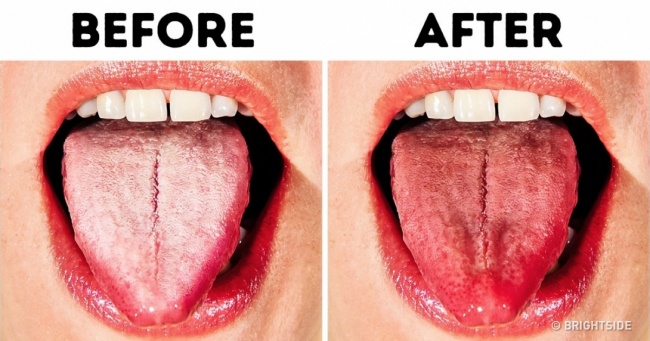
Fissured tongue is the second most common tongue condition and is characterized by a deepening of normal tongue fissures and is usually associated with aging. Some medical conditions are linked to fissured tongue and include Sjögren's syndrome, psoriasis, Down syndrome, and acromegaly. No treatment is required unless food debris and bacteria get trapped and cause inflammation of the tongue's papillae. Gentle brushing should alleviate the problem.

As previously mentioned, hairy tongue is the hypergrowth of the tongue's papillae and is usually associated with white, tan, or black discoloration. Hairy tongue is the third most common tongue condition and is considered harmless. Gentle brushing or scraping of the tongue may be helpful. No other treatment is necessary.

Median rhomboid glossitis is a lesion at the midline of the dorsum of the tongue. It usually looks like a smooth, red, shiny, and sharply defined area. The underlying cause is usually a fungal infection. Treatment options include topical oral antifungal agents such as nystatin (Mycostatin) or fluconazole (Diflucan).

Tongue pain

Pain with the tongue can be associated with anemia, canker sores (aphthous ulcers), oral herpes, neuralgia, cancer, poorly fitting dentures, or irritation from dental work.

Canker sores are commonly found on the tongue and can be very painful. They appear as a yellow-white center with a red halo. These ulcerations are thought to be caused by local injury, stress, or genetic predisposition; however, no definitive cause has been found. No treatment is usually necessary as these ulcerations generally resolve in less than two weeks.

Oral herpes is caused by the herpes virus and appears as fluid-filled lesions. These lesions usually resolve in two weeks' time, but oral herpes can also be treated with antiviral medications such as acyclovir (Zovirax) to shorten the duration of symptoms.

"Burning mouth syndrome" is a phenomenon that often includes the tongue (often called "burning tongue"). Other symptoms include increased thirst with the feeling of a dry mouth, as well as an altered or metallic taste. It has been associated with other conditions that include menopause, anxiety, depression, acid reflux, nutritional deficiencies, and mouth conditions such as dry mouth or oral thrush. Treatment is usually for the underlying condition (for example antifungals for oral thrush, supplement for nutrition deficiencies, or medications to treat anxiety or depression).

Altered sensation of the tongue

Paresthesia is an abnormal or altered sensation. Paresthesia of the tongue can occur with damage to the lingual nerve, the nerve of sensation for the tongue. The most common cause of lingual nerve damage occurs during wisdom teeth extractions where the nerve is very close to the tooth being extracted. The nerve damage is usually noticed well after the procedure and symptoms include altered, decreased, or complete loss of sensation. Senses of pain, taste, touch, perception of temperature and perception of relative position and movement (proprioception) may be affected. The sensation of "pins and needles" similar to being numb during a dental procedure may persist. Usually, treatment involves waiting for the nerve to self-repair itself in a period of six months to a year. If there is no improvement, surgery may be an option to repair the injured nerve.

Taste problems

Dysgeusia is the term used to describe the distortion of the sense of taste. Common causes of dysgeusia include medications, cancer therapy, dry mouth, gum disease, and the common cold or flu. Cancer therapy that involves chemotherapy and radiation to the head and neck area can greatly affect taste. Radiation therapy can damage taste buds and salivary glands. Decreased flow of saliva causes a dry mouth and further compounds the problem. Cigarette smoking also can affect taste. Dysgeusia can be a temporary condition and should resolve once the cause is eliminated. Damage to taste buds through radiation therapy may require time for healing to occur. Taste may slowly return and greatly depends on the amount of damage from radiation therapy. Artificial saliva and zinc supplementation may help in restoring taste for some individuals. A lack of taste sensation (ageusia) is rare.

Problems with tongue movement

Tongue movement problems are often caused by nerve damage (for example, post-stroke or post-surgery nerve damage). Limited tongue mobility can greatly affect our eating, swallowing, and speech. Depending on the extent of nerve damage, sometimes physical therapy may help in regaining control of the tongue.

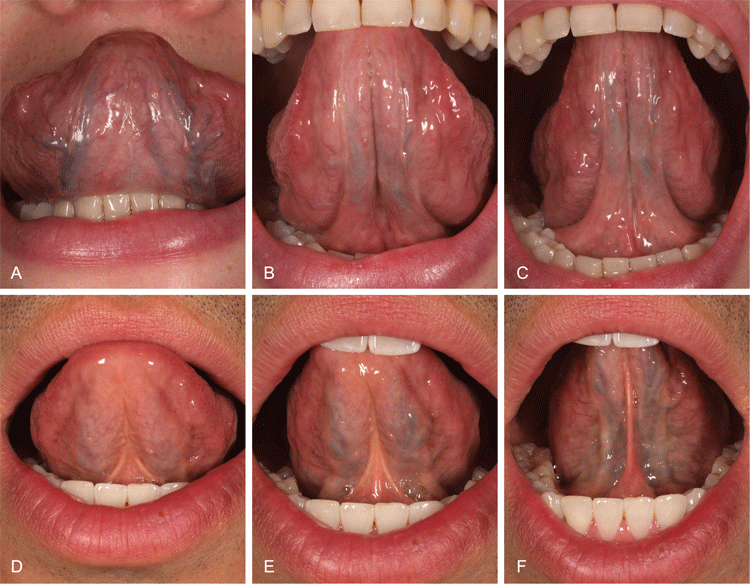
Ankyloglossia, also known as "tongue-tie," is a less common condition where a band of tissue that connects the tongue to the floor of the mouth is too short or tight and impedes tongue movement. Because the tongue is vital for sucking, infants with ankyloglossia may be unable to breastfeed properly. For toddlers and older children, sometimes the tongue is able to compensate for most oral functions, but speech may be affected. The treatment for ankyloglossia is a surgical procedure (frenulectomy) that relaxes the tight band of tissue that is restricting the tongue's movements.
Share:

Tongue facts

The tongue is made up of a mobile group of muscles that is attached to the floor of the mouth. The top of the tongue is covered with small bumps called papillae. The majority of our taste buds are in these papillae.
The tongue is used for tasting, swallowing, and chewing food. The tongue is also used to form words for speaking. Typically, a tongue that is pink and moist with a thin slightly white, shiny coating on the surface is considered healthy. There are variations of surface texture that are normal and healthy as well. As many of us have experienced, a tongue injury (such as when we accidentally bite our tongue) can be quite painful since the tongue is such an instrumental part of our daily lives through eating and speaking. Though very few people know it, the tongue is actually a very good measure of the well-being of the body. This is why your doctor may use the tongue depressor to look in your mouth and tongue during an examination.
What are common tongue problems?
Some common problems associated with the tongue include:

discoloration,
increased size,
abnormalities of the surface,
growths (bumps), pain,
taste concerns, and
difficulty with movement.

What causes tongue problems?

There are a variety of causes of tongue problems, ranging from harmless to serious. Individuals can be born with a tongue condition that is harmless. A more serious condition such as tongue cancer can be related to risk factors such as smoking and drinking alcohol. Additionally, a tongue problem may be a result of an underlying medical condition.

What are the risk factors for tongue problems?

Depending on the tongue problem, risk factors may include smoking tobacco, drinking alcohol, poor oral hygiene, viral infections, a weak immune system, and even stress.

White tongue
Color changes related to the tongue can range from a benign concern to one that requires medical attention. Often, a white tongue could be caused by a removable coating of food debris or bacterial plaque. Otherwise, the following are some common causes of white tongue: oral thrush, leukoplakia, oral lichen planus, hairy leukoplakia, and linea alba. Oral thrush (or candidiasis) is caused by an overgrowth of yeast fungus in the mouth. The white patches can be scraped off to expose a red surface on the tongue. Illnesses, medications, stress, and antibiotic treatment can cause oral thrush by throwing off the balance of natural bacteria in the mouth. Those with diabetes are more prone to fungal infections, such as oral thrush. Lozenges, tablets, or liquid antifungals are used for treatment. Leukoplakia is characterized by white patches that cannot be scraped off and may be related to chronic irritation in the mouth, although the cause is not always known. Tobacco use is the most common factor that contributes to leukoplakia. The condition may resolve after smoking cessation. Sometimes the patches are on the sides of the tongue and could be related to constant rubbing next to the lower teeth. Although leukoplakia is usually benign, it can also be the precursor to oral cancer. The risk of cancer increases with the age of the individual, size of the lesion, and number of lesions present. A biopsy may be recommended after clinical evaluation by the doctor. Sometimes, the area can be monitored for changes by the doctor. Monitoring is usually performed during routine dental visits or during visits with an ear, nose, and throat (ENT) specialist. Oral lichen planus on the tongue is a chronic inflammatory condition caused by an autoimmune response (the body's immune system attacking its own tissue). It is characterized by a white lace-like pattern called reticular lichen planus. (There is an erosive form that presents as shallow ulcerations and can be treated with topical steroids.) Regular monitoring of this condition is recommended for any changes that (although rare) could lead to oral cancer. A biopsy may be recommended. Hairy leukoplakia is a white patch on the side of the tongue that appears hairy or rough. This condition is caused by the Epstein-Barr virus and is usually related to immunocompromised individuals. HIV testing should be considered if hairy leukoplakia appears without a known immune-compromising condition. Antiviral medications such as acyclovir (Zovirax) may be used. Recurrence of hairy leukoplakia is common. Linea alba is a benign condition that is characterized by a thin white line at the lateral (side) borders of the tongue. It is caused by the thickening of the epithelium due to trauma or irritation from chewing. No treatment is necessary for linea alba.

Red tongue

There are obvious causes of red color change of the tongue, such as something you ate (strawberries or red-colored foods). Some acidic foods can cause temporary redness and discomfort. However, a discolored red tongue can be a sign of an underlying medical condition. Some red color changes on the tongue ("strawberry tongue") could be related to a vitamin deficiency, Kawasaki disease, or a strep infection (scarlet fever).

Erythroplakia is a red area or lesion that cannot be rubbed off on the tongue (except for the color, it is similar to leukoplakia). A lesion with a combined white and red appearance is called erythroleukoplakia. These lesions are all considered to have premalignant potential. Erythroplakia and erythroleukoplakia have an increased risk of premalignancy compared to leukoplakia. In addition to appearance, there is concern if the lesion or sore does not go away or grows in size. A biopsy is recommended by an oral surgeon or an ENT specialist to rule out oral cancer.

Black tongue

Readers Comments 1
Share Your Story
A black tongue is usually a harmless condition that can be caused by medications, smoking, poor oral hygiene, soft diet, or dry mouth. A black tongue is usually associated with elongated tongue papillae and thus, it is called "black hairy tongue" (lingua villosa nigra). The cause is thought to be a change in the normal bacteria in the mouth after antibiotic treatment or use of products that contain bismuth such as Pepto-Bismol. ("Hairy tongue" by itself can also be white or tan.) Treatment may involve improving one's diet, smoking cessation, and improved oral hygiene (including gently brushing or scraping the tongue).

ncreased size or tongue swelling

Swelling or enlargement of the tongue, referred to as macroglossia, can be caused by allergies, medications, injuries, or an underlying medical condition such as amyloidosis. Addressing the underlying condition is the usual treatment for macroglossia.

Allergic reaction to medications, food, or even a bee sting can cause swelling of the tongue. In the case of sudden and rapid onset of swelling of the tongue, one should seek emergency care as breathing can become compromised.

Tongue swelling can also be a side effect of medication. Some medications that have this side effect are ACE inhibitors (to treat high blood pressure) and NSAIDs (nonsteroidal anti-inflammatory drugs) such as Aleve, Advil, and aspirin.

An injury from hot food or liquid that burns the tongue or simply biting the tongue can irritate the tongue to cause swelling.

Conditions such as oral thrush or oral herpes viruses can cause the tongue to swell due to inflammation. Other medical conditions include tumorous cancer, acromegaly (giantism), amyloidosis, sarcoidosis, hypothyroidism, and Kawasaki disease. Tongue swelling can also be found in individuals with Down syndrome.
Share:

hormone replacement therapy recommended to women


Hormone replacement therapy or HRT is usually recommended for women who are experiencing severe discomforts during menopause. The aim of HRT is to introduce synthetically generated estrogen in the body to mimic its various functions. During menopause, the ovaries that produce estrogen ceases to do so any more and a lack of it makes a woman suffer from various kinds of physiological and psychological problems. Here are 11 symptoms signs of menopause that you should know.

Least to say some of the symptoms are difficult to deal with on its own. However, a few years into menopause these symptoms cease to exist. But for some, they might still pose discomforts. It is when the discomforts make it difficult to deal one is suggested to go in for an HRT. We spoke to Dr Jaishree Gajaraj, consultant gynaecologist from Fortis Malar, Chennai to know more about the therapy and how it helps women.

How does hormone therapy help menopausal women?

During menopause, the ovaries stop producing estrogen which could lead to a number of problems ranging from vaginal dryness, hot flashes, low libido etc. Some women deal with these changes effectively while others find it difficult to do so. The symptoms that are present during the onset of menopause gradually pass after a few years. However, if it doesn’t and a woman feels uncomfortable then HRT is suggested. In HRT estrogen is introduced in the body to help one get relief of symptoms of menopause.

What are the conditions that HRT help to deal with?

Some of the most common conditions that can be addressed with HRT are vaginal dryness, hot flashes, night sweats, low libido and mood swings. Apart from this, HRT also helps in keeping the heart healthy and prevent bone health deterioration that is common in women during menopause. Here are other causes of vaginal dryness that everybody should know.

When can one get started with HRT?

HRT is suggested to women only after a detailed check-up and taking into account all the medical history of the patient. In the beginning, a low dose of HRT is given and the doses can be titrated (increased or decreased) according to one’s need and problems that need to be addressed. You might be asked to be on the therapy for three months, in the beginning, to see how you fair with the therapy and if it benefits you.

What about the side-effects?

There are few side-effects of HRT like bloating, nausea, headache, dizziness, breast tenderness, cramps, but the benefits generally outweigh them. For women who suffer from premature menopause, HRT seems to be beneficial and prevents premature ageing. For women who reach menopause normally and need HRT, they also benefit from it. To ensure that they don’t suffer due to the side-effects sometimes a combination of estrogen and progesterone is used to address the problems. Here is everything you need to know about premenopause.

Till when can one be on HRT?

Women can be on hormone replacement therapy till the time they want and are benefitting from the same. However, with time as the severe symptoms of menopause ceases the therapy can be stopped. You can either stop it (in case you are taking pills) or reduce the doses gradually and stop it later (if you take it in injectable form).

Share:

Women, feeling low? Take charge of your blood sugar levels


Did you know women are twice as likely to suffer from depression if they have diabetes than men?

It is a known fact that people who suffer from diabetes also suffer from depression. In fact, diabetes and depression go hand-in-hand. In fact, according to the American Diabetes Association, the rate of depression in diabetics is greater than that in normal people and women are twice as likely to experience it than men. People who suffer from diabetes are at risk of suffering from a mental health condition like anxiety, depression and severe mood swings.

There is a reason why this happens: The brain needs glucose to function at its optimum. Changes in the blood sugar level affect the ability of the brain making one prone to mood swings. Lack of glucose or excess of it can disrupt the functions of the brain. It is difficult to say whether diabetes triggers mood swings or living with diabetes makes you moody. Fluctuations in blood glucose level lead to a change in levels of neurotransmitters like serotonin and 5HT. When this happens it makes one prone mood swings and then to anxiety and depression, in the long run.

Why are women more at risk of living with depression and diabetes than men?

In fact, women face the wrath of depression even more due to the hormonal changes that they have to go through in their life which is namely,

menstrual cycle changes
pregnancy
miscarriage
postpartum period
pre-menopause
menopause
‘There is a general phenomenon associated with the societal inequalities which women face.  If a man gets diabetes, as he is usually the earning member, he is still respected and does not suffer the same consequences as a woman, who always has to place her family, husband and children first before considering her own needs.  The fact that she has diabetes can lead to depression during adolescence. Later when marriage is being considered, as it may be difficult for a woman with diabetes to get married, this could lead to depression.  The additional challenges faced during the pregnancy; if the lady has diabetes can also lead to depression,’ says Dr V. Mohan of Dr Mohan s Diabetes Specialties Centre.

‘The fear of developing complications of diabetes like going blind due to diabetes or losing her feet or developing renal failure can also lead to depression because these things affect a women’s aesthetic value and her confidence way more than men. The thought or fear of taking insulin can also make women depressed.  If and when complications set in e.g., neuropathic pains in the feet or blurring of vision or kidney involvement, then the depression becomes all the more severe,’ adds Dr Thomas.

Previous studies have shown individuals who are insulin-resistant may have higher serotonin concentrations and may be more prone to depression and even suicide. Women with diabetes may be more likely to suffer depression because of the clinical diagnosis which affects her greatly.

Share:

Dry eyes prevention and care


Dry eye is a condition where the ducts within the eyelids that produce tears, dry up. Tears are very essential for the proper functioning of the eyes, because they provide lubrication for the eyelids to glide over the eye ball and help to keep it moist. This condition can lead to lower resolution of vision and in some cases can cause severe damage to the eye ball itself, not to mention the added risks of performing daily activities with bad eyesight.

If you have dry eyes, your body is telling you that you are pushing it beyond its limits, and it is a common indicator for lifestyle diseases. Dr Rohit Shetty, neuro-ophthalmologist and the Vice chairman of Narayana Netralaya says ‘something as simple as a change in posture while working on a computer for long hours could be the reason for dry eyes.’ He warns, that they are an early indicator for hyper or hypothyroidism. If you are suffering from dry eyes, getting a routine health checkup might be the best thing to do.

The most common reason is our work or work culture. This means spending long hours in the day in front of the computer, without any breaks. According to Dr Rohit Shetty, ‘eyes were not really meant to see pixilated images, so a constant exposure to them can harm your eyes’. Another factor is your all-round health, if you are diabetic, hypertensive, or are on antipsychotic drugs, the possibility of suffering from dry eyes increases. Apart from this other habits like smoking, drinking, not having adequate sleep could make the symptoms of dry eyes worse.

These are tips to prevent dry eyes:

1.    Take regular breaks while working on the computer
2.    Maintain a good posture when reading, looking at the computer screen
3.    Use rewetting drops at the end of the day
4.    Get regular eye checkup.
5.    If dry eyes persist get a complete health checkup, to check for any other disease conditions.
6.    Dry eyes can be easily prevented; a good tip would be to use lubricating drops about half an hour before you leave office. This will give relief to your eye and restore vision at the end of the day.

Share:

Heart-Healthy Diet


Looking for the path toward a healthier you? It's not hard to find. The journey begins with some simple tweaks to your lifestyle. The right diet, exercise, and stress-relief plan all play a big role.

Follow a Heart-Healthy Diet

There's an easy recipe if your goal is to keep away problems like heart disease and strokes.
  • Eat more fruits and veggies.
  • Choose whole grains. Try brown rice instead of white. Switch to whole wheat pasta.
  • Choose lean proteins like poultry, fish, beans, and legumes.
  • Cut down on processed foods, sugar, salt, and saturated fat.
When eating healthy, flexibility often works best, says Joyce Meng, MD, assistant professor at the Pat and Jim Calhoun Cardiology Center at UConn Health. If you like to follow a strict diet plan, go for it. If not, it's OK. "Find what works for you."
Tricia Montgomery, 52, the founder of K9 Fit Club, knows first-hand how the right diet and lifestyle can help. For her, choosing healthy foods and planning small, frequent meals works well. "I don't deny myself anything," she says. "I still have dessert -- key lime pie, yum! -- and I love frozen gummy bears, but moderation is key."
Share: