Showing posts with label Pain. Show all posts

6 Stretches for Sciatica Pain Relief

What is the sciatic nerve?

Sciatic nerve pain can be so excruciating and debilitating that you don’t even want to get off the couch. Common causes of sciatica can include a ruptured disk, a narrowing of the spine canal (called spinal stenosis), and injury.

Certified physical therapist Mindy Marantz says that sciatica pain can occur for a variety of reasons. She says, “Identifying what doesn't move is the first step toward solving the problem.” Often, the most problematic body parts are the lower back and hips.

Dr. Mark Kovacs, a certified strength and conditioning specialist, adds that the best way to alleviate most sciatica pain is to do “any stretch that can externally rotate the hip to provide some relief.”

Here are six exercises that do just that:

reclining pigeon pose
sitting pigeon pose
forward pigeon pose
knee to opposite shoulder
sitting spinal stretch
standing hamstring stretch

1. Reclining pigeon pose

Pigeon pose is a common yoga pose. It works to open the hips. There are multiple versions of this stretch. The first is a starting version known as the reclining pigeon pose. If you are just starting your treatment, you should try the reclining pose first.

While on your back, bring your right leg up to a right angle. Clasp both hands behind the thigh, locking your fingers.
Lift your left leg and place your right ankle on top of the left knee.
Hold the position for a moment. This helps stretch the tiny piriformis muscle, which sometimes becomes inflamed and presses against the sciatic nerve, causing pain.
Do the same exercise with the other leg.

Once you can do the reclining version without pain, work with your physical therapist on the sitting and forward versions of pigeon pose.

2. Sitting pigeon pose

Sit on the floor with your legs stretched out straight in front of you.
Bend your right leg, putting your right ankle on top of the left knee.
Lean forward and allow your upper body to reach toward your thigh.
Hold for 15 to 30 seconds. This stretches the glutes and lower back.
Repeat on the other side.

3. Forward pigeon pose

Kneel on the floor on all fours.
Pick up your right leg and move it forward on the ground in front of your body. Your lower leg should be on the ground, horizontal to the body. Your right foot should be in front of your right knee while your right knee stays to the right.
Stretch the left leg out all the way behind you on the floor, with the top of the foot on the ground and toes pointing back.
Shift your body weight gradually from your arms to your legs so that your legs are supporting your weight. Sit up straight with your hands on either side of your legs.
Take a deep breath. While exhaling, lean your upper body forward over your front leg. Support your weight with your arms as much as possible.
Repeat on the other side.

4. Knee to opposite shoulder

This simple stretch helps relieve sciatica pain by loosening your gluteal and piriformis muscles, which can become inflamed and press against the sciatic nerve.

Lie on your back with your legs extended and your feet flexed upward.
Bend your right leg and clasp your hands around the knee.
Gently pull your right leg across your body toward your left shoulder. Hold it there for 30 seconds. Remember to pull your knee only as far as it will comfortably go. You should feel a relieving stretch in your muscle, not pain.
Push your knee so your leg returns to its starting position.
Repeat for a total of 3 reps, and then switch legs.

5. Sitting spinal stretch

Sciatica pain is triggered when vertebrae in the spine compress. This stretch helps create space in the spine to relieve pressure on the sciatic nerve.

Sit on the ground with your legs extended straight out with your feet flexed upward.
Bend your right knee and place your foot flat on the floor on the outside of your opposite knee.
Place your left elbow on the outside of your right knee to help you gently turn your body toward the right.
Hold for 30 seconds and repeat three times, then switch sides.

6. Standing hamstring stretch

This stretch can help ease pain and tightness in the hamstring caused by sciatica.

Place your right foot on an elevated surface at or below your hip level. This could be a chair, ottoman, or step on a staircase. Flex your foot so your toes and leg are straight. If your knee tends to hyperextend, keep a slight bend in it.
Bend your body forward slightly toward your foot. The further you go, the deeper the stretch. Do not push so far that you feel pain.
Release the hip of your raised leg downward as opposed to lifting it up. If you need help easing your hip down, loop a yoga strap or long exercise band over your right thigh and under your left foot.
Hold for at least 30 seconds, and then repeat on the other side.

Exercise with care

Kovacs emphasizes that you should not assume that you’ll be as flexible as the exercises ideally call for. “Don’t think that because of what you see on YouTube or TV that you can get into these positions,” he says. “Most people who demonstrate the exercises have great flexibility and have been doing it for years. If you have any kind of pain, you should stop.”

Corina Martinez, a physical therapist at Duke Sports Medicine Center and member of the American Medical Society for Sports Medicine, says that there is no one-size-fits-all exercise for people who have sciatic nerve pain. She suggests adjusting the positions slightly, such as pulling your knees in more or less, and noticing how they feel. “If one feels better, that is the treatment you want to pursue,” she advises.

Martinez says that anyone experiencing even mild sciatic nerve pain for more than a month should see a doctor or physical therapist. They may find relief with an in-home exercise program tailored specifically to their pain.
Share:

How long does it take a bruised tailbone to stop hurting?

Tailbone trauma - aftercare

You were treated for an injured tailbone. The tailbone is also called the coccyx. It is the small bone at the lower tip of the spine.

At home, be sure to follow your doctor's instructions on how to take care of your tailbone so that heals well.
More About Your Injury

Most tailbone injuries lead to bruising and pain. Only in rare cases is there a fracture or broken bone.

Tailbone injuries are often caused by backward falls onto a hard surface, such as a slippery floor or ice.

Symptoms of a tailbone injury include:

Pain or tenderness in the lower back
Pain on top of the buttocks area
Pain or numbness with sitting
Bruising and swelling around the base of the spine

What to Expect

A tailbone injury can be very painful and slow to heal. Healing time for an injured tailbone depends on the severity of the injury.

If you have a fracture, healing can take between 8 to 12 weeks.
If your tailbone injury is a bruise, healing takes about 4 weeks.

In rare cases, symptoms do not improve. Injection of a steroid medicine may be tried. Surgery to remove part of the tailbone may be discussed at some point, but not until 6 months or more after the injury.

Symptom Relief

Follow these steps for the first few days or weeks after your injury:

Rest and stop any physical activity that causes pain. The more you rest, the quicker the injury can heal.
Ice your tailbone for about 20 minutes every hour while awake for the first 48 hours, then 2 to 3 times a day. DO NOT apply ice directly to the skin.
Use a cushion or gel donut when sitting. The hole in the center will take pressure off your tailbone. You can buy the cushion at a drugstore.
Avoid sitting a lot. When sleeping, lie on your belly to take pressure off the tailbone.

For pain, you can use ibuprofen (Advil, Motrin, and others) or naproxen (Aleve, Naprosyn, and others). You can buy these medicines without a prescription.

DO NOT use these medicines for the first 24 hours after your injury. They may increase the risk of bleeding.
Talk with your health care provider before using these drugs if you have heart disease, high blood pressure, kidney disease, liver disease, or have had stomach ulcers or internal bleeding in the past.
DO NOT take more than the amount recommended on the bottle or more than your provider advises you to take.

It may be painful to go to the bathroom. Eat plenty of fiber and drink plenty of fluids to avoid constipation. Use stool softener medicine if needed. You can buy stool softeners at the drugstore.

Activity

As your pain goes away, you can begin light physical activity. Slowly increase your activities, such as walking and sitting. You should:

Continue to avoid sitting for long periods.
Not sit on a hard surface.
Keep using the cushion or gel donut when sitting.
When sitting, alternate between each of your buttocks.
Ice after activity if there is any discomfort.

Follow-up

Your doctor may not need to follow up if the injury is healing as expected. If the injury is more severe, you will likely need to see the doctor.
When to Call the Doctor

Call the doctor if you have any of the following:

Sudden numbness, tingling or weakness in one or both legs
Sudden increase in pain or swelling
Injury does not seem to be healing as expected
Prolonged constipation
Problems controlling your bowel or bladder

Alternative Names

Coccyx injury; Coccyx fracture; Coccydynia - aftercare
References

Buttaravoli P, Leffler SM. Coccyx fracture: (tailbone fracture). In: Buttaravoli P, Leffler SM, eds. Minor Emergencies. 3rd ed. Philadelphia, PA: Elsevier Saunders; 2012:chap 106.

Choi SB, Cwinn AA. Pelvic trauma. In: Marx JA, Hockberger RS, Walls RM, eds. Rosen's Emergency Medicine: Concepts and Clinical Practice. 8th ed. Philadelphia, PA. Elsevier Saunders; 2014:chap 55.
Share:

Is My Pain Sciatica or Something Else?

Sciatica is a term for symptoms of pain along the large sciatic nerve that runs from your lower spine and down the back of the leg. Sciatica is diagnosed when the sciatic nerve is irritated or compressed by some type of problem in your lower back.

Sciatica is nerve pain

When any of the nerve roots in your lower back are irritated, pain travels from the nerve root to the sciatic nerve, down to the buttock, and sometimes down the back of the leg and into your foot and/or toes.

ciatica pain is often experienced as a shooting, searing pain that radiates down the back of the leg. Sometimes, numbness, tingling, or burning is felt along the nerve. Some people describe the nerve pain as electric-like. Conversely, sciatica symptoms may be experienced as more of a constant, dull pain.

Several lower back problems cause sciatica

The most common causes of sciatica in younger adults tend to be a lumbar herniated disc, degenerative disc disease, or isthmic spondylolisthesis.

In adults over age 60, the most common causes tend to be degenerative changes in the spine, such as lumbar spinal stenosis or degenerative spondylolisthesis.

The term sciatica is often misused, and people may be tempted to self-diagnose and self-treat the wrong cause of their sciatica. However, knowing the underlying cause of your sciatica symptoms is important in order to get the right treatment.

Some conditions mimic sciatica

Many people refer to any type of leg pain as sciatica, but in fact, there are many causes of leg pain that are not medically classified as sciatica and need to be treated differently.

Examples of problems that are not sciatica but can cause similar symptoms include:

Joint problems in the spine, such as arthritis, can refer pain from the joints into the leg, but this pain is not technically sciatica, and the treatment for it is different. For arthritis, treatment focuses on nonsurgical therapies with the goals of preserving motion in the joints and reducing pain long term. Anti-inflammatory drugs are often prescribed to reduce joint inflammation.

Sacroiliac joint dysfunction is a relatively common cause of lower back, hip, and/or leg pain. Too much or too little motion in the sacroiliac joints can cause pain that radiates down your leg and feels like sciatica. Treatment for sacroiliac joint dysfunction is usually non-surgical and focuses on restoring normal motion in the joint. Sacroiliac joint fusion is available for severe, debilitating SI joint dysfunction.

Piriformis syndrome also causes symptoms similar to sciatica. It occurs when the piriformis muscle in the buttocks irritates the sciatic nerve, which can cause pain to radiate along the path of the nerve into your leg. This type of pain is technically not sciatica, because the nerve irritation does not originate in the lower back. Treatment for piriformis syndrome usually includes anti-inflammatory medication and specific physical therapy.

Self-diagnosis of sciatica may be problematic

As many underlying conditions can cause sciatic or sciatica-like pain, it is important to consult a doctor for a clinical diagnosis. While rare, sciatica-like pain may be caused by medical conditions that need immediate treatment.

For example, any of the following serious medical conditions may cause sciatica-like symptoms:

A spinal tumor
Spinal infection
Cauda equina syndrome

While the vast majority of causes of sciatica or sciatica-like pain are not serious, we advise anyone experiencing sciatic nerve pain to see a doctor for a correct diagnosis and the right set of treatment options.

Bottom line: get a diagnosis

If you feel symptoms of pain in your buttocks or leg, or numbness, tingling, or other neurological symptoms in your leg, it is important to see a doctor for clinical diagnosis that identifies the cause of your symptoms.

As you can see by reading the peer-reviewed articles on this site, treatment can be quite different depending on the underlying cause of your symptoms. For example:

A lumbar herniated disc and lumbar stenosis can cause similar sciatica symptoms; however, physical therapy for each condition can be different—while bending forward at the waist may be comfortable if you have spinal stenosis, it can cause increased pain if you have a lumbar herniated disc.
If spondylolisthesis is causing your sciatica, you may need surgery to align and stabilize the vertebrae before doing any sort of exercises at all.

Treatment is determined largely by the diagnosis.

And exercise!

When your doctor gives you the go ahead, make sure to include a controlled and progressive exercise and physical program as part of your treatment. Without it, your symptoms are likely to return and get worse over time. The following basics are fundamental to almost any successful sciatica treatment:

Get a prescription for the right exercises
Learn how to do the exercises with the right form
Keep doing the exercises even after you start to feel better

And finally, give yourself kudos, as right now you are already taking positive steps to feel better by researching and learning about your symptoms and treatment options.
Share:

5 tips to treat heel pain

Are you one of the 48 per cent of Australian’s that wake up with heel pain once a week? If heel pain is impacting how you move, how you feel, and how you live, then it’s time to get help from My FootDr.

Plantar heel pain (often caused by plantar fasciitis) is a common condition causing severe pain under the heel bone. Pain in the heel or in the arch often indicates inflammation of the long band of tissue under the foot (the plantar fascia).

As with most conditions, early diagnosis and treatment can prevent the injury progressing from an acute to the chronic stage at which point pain relief, walking, and normal everyday activities become much more difficult.

At My FootDr, our podiatrists use a best practice approach to treat your condition including shockwave therapy, custom foot orthotics, specific exercise prescriptions and footwear recommendations to treat plantar fasciitis and heel spurs. Foot scanMy FootDr’s top tips for healthy heels:

1. Seek a diagnosis from a podiatrist

You trust your dentist with your teeth and you can trust My FootDr’s team of highly-qualified podiatrists to care for your feet. Our podiatrists always provide that extra level of care and attention when delivering the best in foot care solutions for heel, arch, and foot pain caused by plantar fasciitis. See your local podiatrist for an early diagnosis, and to get treatment underway.

2.Take steps to minimise pain and rest

As a short-term treatment option, tapping and strapping can provide initial relief with severe heel pain. Your podiatrist can assist with strapping techniques for the best outcome.

Stretching and strengthening exercises can be helpful in heel pain treatment and rehabilitation but, only if performed correctly and at the right time. Stretching and strengthening exercises can assist in decreasing the chance of injury and inflamation. Morning stretches when heel pain is most intense can be helpful if performed correctly. Your podiatrist can prescribe a specific stretching and strengthening program to suit you. Most importantly, rest your feet if you are suffering from heel pain.
If you need additional short-term relief, ask your podiatrist about our shockwave treatment.

3. Choose the right footwear for your feet

The right footwear should provide the right balance between support and cushioning. Your podiatrist will provide footwear recommendations to suit your condition, level of activity and foot type.

4. Wear custom foot orthotics if prescribed by your podiatrist

A biomechanical assessment performed by your podiatrist will determine whether you need orthotics. Correct fitting footwear and custom-made orthotics will offload the damaging forces on the heel and help to prevent heel pain. Orthotics will also help to support your feet and legs when weight bearing. This improves function, weight distribution and posture to prevent the development of heel pain.

5. Commit to an annual check-up

Our My FootDr team will work with you to tailor a solution that is individualised to your needs and condition. Commit to an annual check-up with your podiatrist or as recommended to keep your foot health a priority and prevent plantar fasciitis.
Share:

Why does the bottom of my foot hurt so much?

It is one of the most commonly asked questions we get: why does the bottom of my foot hurt so much? Conditions such as heel or arch pain can make waking up and getting out of bed each morning very difficult.

Feet are made up of many small bones, muscle ligaments, tendons and other body tissue – and pinpointing the problem isn’t something you can do yourself.

For the many Australians who live with foot pain, it is also not something that will simply disappear overnight or over time. So if you fall into this category, you’re better off doing something about it now. For many people who come in and ask us why the bottom of their feet hurt so much, we discover that they are waking up with one of the most common causes of foot and heel pain in adults – plantar fasciitis.

Plantar fasciitis is a condition that causes severe pain under the heel bone or pain in the arch, indicating inflammation of the long band of tissue under the foot. People experiencing this condition generally describe the pain as a stone bruise type pain, or as if they are walking on a stone or a bony heel spur. The pain is often worse in the first few steps each morning, after sitting down or towards the end of the day. Does this sound like you?

What can I do about it?

Left untreated, heel, arch or arch pain will persist for a long time. It is typically the result of overuse or lack of support from wearing inappropriate footwear.

Diagnosing and treating the condition must be done with the help of a Podiatrist. Our Podiatrists, we take a detailed history, perform a physical assessment, use video walking analysis and take a 3D foot scan to find out what’s causing the pain.

Once the cause is identified, we develop a treatment plan just for you.

It might be as simple as recommending a change in your footwear or some simple exercises to improve the biomechanics of the foot. Custom-made foot orthotics can also be prescribed to provide precise support for your individual foot condition.

The sooner you get to a Podiatrist, the sooner you can get to the bottom of your foot condition! Book an appointment with your local Podiatrist today.
Share:

Shoulder Trauma (Fractures and Dislocations)

Trauma to the shoulder is common. Injuries range from a separated shoulder resulting from a fall onto the shoulder to a high-speed car accident that fractures the shoulder blade (scapula) or collarbone (clavicle). One thing is certain:
everyone injures his or her shoulder at some point in life.
Anatomy

The shoulder is made up of three bones:

Scapula (shoulder blade)
Clavicle (collar bone)
Humerus (arm bone)

These bones are joined together by soft tissues (ligaments, tendons, muscles, and joint capsule) to form a platform for the arm to work.

The shoulder is made up of three joints:

Glenohumeral joint
Acromioclavicular joint
Sternoclavicular joint
The shoulder also has one articulation, which is the relationship between the scapula (shoulder blade) and the chest wall.

The main joint of the shoulder is the glenohumeral joint. This joint comprises a ball (the humeral head) on a golf-tee-shaped joint (the glenoid of the scapula).

The bones of the shoulder are covered by several layers of soft tissues.

The top layer is the deltoid muscle, a muscle just beneath the skin, which gives the shoulder a rounded appearance. The deltoid muscle helps to bring the arm overhead.
Directly beneath the deltoid muscle is sub-deltoid bursa, a fluid-filled sac, analogous to a water balloon.

Types of Shoulder Injuries

There are many types of shoulder injuries:

Fractures are broken bones. Fractures commonly involve the clavicle (collar bone), proximal humerus (top of the upper arm bone), and scapula (shoulder blade).
Dislocations occur when the bones on opposite sides of a joint do not line up. Dislocations can involve any of three different joints.
A dislocation of the acromioclavicular joint (collar bone joint) is called a "separated shoulder."
A dislocation of the sternoclavicular joint interrupts the connection between the clavicle and the breastbone (sternum).
The glenohumeral joint (the ball and socket joint of the shoulder) can be dislocated toward the front (anteriorly) or toward the back (posteriorly).
Soft-tissue injuries are tears of the ligaments, tendons, muscles, and joint capsule of the shoulder, such as rotator cuff tears and labral tears.
The following discussion will focus on fractures and dislocations.

Related Articles
Diseases & Conditions

Clavicle Fracture (Broken Collarbone)
Diseases & Conditions

Dislocated Shoulder
Diseases & Conditions

Scapula (Shoulder Blade) Fractures
Diseases & Conditions

Shoulder Separation
Cause
Fractures

Fractures of the clavicle or the proximal humerus can be caused by a direct blow to the area from a fall, collision, or motor vehicle accident.

Because the scapula is protected by the chest and surrounding muscles, it is not easily fractured. Therefore, fractures of the scapula are usually caused by high-energy trauma, such as a high speed motor vehicle accident. Scapula fractures are often associated with injuries to the chest.
Shoulder Dislocations

Anterior dislocations of the shoulder are caused by the arm being forcefully twisted outward (external rotation) when the arm is above the level of the shoulder. These injuries can occur from many different causes, including a fall or a direct blow to the shoulder.
Posterior dislocations of the shoulder are much less common than anterior dislocations of the shoulder. Posterior dislocations often occur from seizures or electric shocks when the muscles of the front of the shoulder contract and forcefully tighten.

Shoulder Separations

Dislocations of the acromioclavicular joint can be caused by a fall onto the shoulder or from lifting heavy objects. The term "shoulder separation" is not really correct, because the joint injured is actually not the true shoulder joint.
Symptoms of Fractures

Symptoms of fractures about the shoulder are related to the specific type of fracture.
General Findings

Pain
Swelling and bruising
Inability to move the shoulder
A grinding sensation when the shoulder is moved
Deformity -- "It does not look right"

Specific Findings: Clavicle Fracture

Swelling about the middle of the collarbone area
An area that may have a "bump," which is actually the prominent ends of the fracture under the skin Shoulder range of motion is limited, although not as much as with fractures of the proximal humerus

Specific Findings: Proximal Humerus Fracture

A severely swollen shoulder
Very limited movement of the shoulder
Severe pain

Specific Findings: Scapular Fracture

Pain
Swelling
Severe bruising about the shoulder blade

Specific Findings: Shoulder Separation (Acromioclavicular Joint Separation)

Pain over the top of the shoulder
A prominence or bump about the top of the shoulder
The sensation of something sticking up on the shoulder

Specific Findings: Shoulder Dislocation (Glenohumeral Joint Dislocation)

A prominence about the front of the shoulder
Inability to move the arm
An arm rotated outward
The sensation of a "dead arm"

Diagnosis

Most fractures are diagnosed with X-rays of the area and by physical examination. Sometimes, additional imaging techniques, such as computed tomography, are necessary.
Treatment Options
Clavicle Fractures

Most clavicle fractures can be treated without surgery. Surgery is necessary when there is a compound fracture that has broken through the skin or the bone is severely out of place. Surgery typically involves fixing of the fracture with plates and screws or rods inside the bone.
Proximal Humerus Fractures

Most fractures of the proximal humerus can be treated without surgery if the bone fragments are not shifted out of position (displaced). If the fragments are shifted out of position, surgery is usually required. Surgery usually involves fixation of the fracture fragments with plates, screws, or pins or it involves shoulder replacement.
Scapula Fractures

Most fractures of the scapula can be treated without surgery. Treatment involves immobilization with a sling or shoulder immobilizer, icing, and pain medications. The patient will be examined for additional injuries.

About 10% to 20% of scapula fractures need surgery. Fractures that need surgery usually have fracture fragments involving the shoulder joint or there is an additional fracture of the clavicle. Surgery involves fixation of the fracture fragments with plates and screws.
Shoulder Separations (Acromioclavicular Joint)

Treatment of shoulder separations is based on the severity of the injury as well as the direction of the separation and the physical requirements of the patient.

Less severe shoulder separations) are usually treated without surgery.

Severe separations in an upward direction or dislocations in the backward or downward directions often require surgery.
Surgery involves repair of the ligaments.

Professional athletes and manual laborers are often treated with surgery, but the results are often unpredictable.
Shoulder Dislocations (Glenohumeral Joint)

The initial treatment of a shoulder dislocation involves reducing the dislocation ("putting it back in the socket").
This usually involves treatment in the emergency room.

The patient is given some mild sedation and pain medicine, usually through an intravenous line. Often, the physician will pull on the shoulder until the joint is realigned. Reduction is confirmed on an X-ray and the shoulder is then placed in a sling or special brace.

Additional treatment at a later date is based on the patient's age, evidence of persistent problems with the shoulder going out of place, and the underlying associated soft-tissue injury (either to the rotator cuff or the capsulolabral complex).

Patients who are 25 years of age or younger generally require surgery. Persistent instability (repeat dislocations) of the shoulder usually requires surgery. Surgery involves repair of the torn soft tissues.
Life After a Shoulder Injury

Life after a shoulder fracture, separation, or dislocation can be greatly affected for several weeks or even months. Most shoulder injuries whether treated surgically or nonsurgically require a period of immobilization followed by rehabilitation.

If the injury was not severe, there is fairly rapid improvement and return of function after the first 4 to 6 weeks. Shoulder exercises, usually as part of a supervised physical therapy program, are usually necessary. Exercises decrease stiffness, improve range of motion, and help the patient regain muscle strength.
What Should You Discuss With Your Orthopaedic Surgeon?

Some of the information you should discuss with your orthopaedic surgeon includes the following:

The exact type of your injury
The severity of the injury
The treatment plan
The possible complications
Whether surgery will be necessary
When it is expected that you will be maximally improved
What is the expected outcome will be both in the short term and in the long term
Share:

Shoulder Pain and Common Shoulder Problems

What most people call the shoulder is really several joints that combine with tendons and muscles to allow a wide range of motion in the arm — from scratching your back to throwing the perfect pitch.

Mobility has its price, however. It may lead to increasing problems with instability or impingement of the soft tissue or bony structures in your shoulder, resulting in pain. You may feel pain only when you move your shoulder, or all of the time. The pain may be temporary or it may continue and require medical diagnosis and treatment.

This article explains some of the common causes of shoulder pain, as well as some general treatment options. Your doctor can give you more detailed information about your shoulder pain.

Anatomy

Your shoulder is made up of three bones: your upper arm bone (humerus), your shoulder blade (scapula), and your collarbone (clavicle).

The head of your upper arm bone fits into a rounded socket in your shoulder blade. This socket is called the glenoid. A combination of muscles and tendons keeps your arm bone centered in your shoulder socket. These tissues are called the rotator cuff. They cover the head of your upper arm bone and attach it to your shoulder blade.

Cause

Most shoulder problems fall into four major categories:

Tendon inflammation (bursitis or tendinitis) or tendon tear
Instability
Arthritis
Fracture (broken bone)
Other much less common causes of shoulder pain are tumors, infection, and nerve-related problems. Bursitis

Bursae are small, fluid-filled sacs that are located in joints throughout the body, including the shoulder. They act as cushions between bones and the overlying soft tissues, and help reduce friction between the gliding muscles and the bone.

Sometimes, excessive use of the shoulder leads to inflammation and swelling of the bursa between the rotator cuff and part of the shoulder blade known as the acromion. The result is a condition known as subacromial bursitis.

Bursitis often occurs in association with rotator cuff tendinitis. The many tissues in the shoulder can become inflamed and painful. Many daily activities, such as combing your hair or getting dressed, may become difficult. Tendinitis

A tendon is a cord that connects muscle to bone. Most tendinitis is a result of inflammation in the tendon.

Generally, tendinitis is one of two types:

Acute. Excessive ball throwing or other overhead activities during work or sport can lead to acute tendinitis. Chronic. Degenerative diseases like arthritis or repetitive wear and tear due to age, can lead to chronic tendinitis.

The most commonly affected tendons in the shoulder are the four rotator cuff tendons and one of the biceps tendons. The rotator cuff is made up of four small muscles and their tendons that cover the head of your upper arm bone and keep it in the shoulder socket. Your rotator cuff helps provide shoulder motion and stability.

Tendon Tears

Splitting and tearing of tendons may result from acute injury or degenerative changes in the tendons due to advancing age, long-term overuse and wear and tear, or a sudden injury. These tears may be partial or may completely separate the tendon from its attachment to bone. In most cases of complete tears, the tendon is pulled away from its attachment to the bone. Rotator cuff and biceps tendon injuries are among the most common of these injuries.

Impingement

Shoulder impingement occurs when the top of the shoulder blade (acromion) puts pressure on the underlying soft tissues when the arm is lifted away from the body. As the arm is lifted, the acromion rubs, or "impinges" on, the rotator cuff tendons and bursa. This can lead to bursitis and tendinitis, causing pain and limiting movement.

Instability

Shoulder instability occurs when the head of the upper arm bone is forced out of the shoulder socket. This can happen as a result of a sudden injury or from overuse.

Shoulder dislocations can be partial, with the ball of the upper arm coming just partially out of the socket. This is called a subluxation. A complete dislocation means the ball comes all the way out of the socket.

Once the ligaments, tendons, and muscles around the shoulder become loose or torn, dislocations can occur repeatedly. Recurring dislocations, which may be partial or complete, cause pain and unsteadiness when you raise your arm or move it away from your body. Repeated episodes of subluxations or dislocations lead to an increased risk of developing arthritis in the joint.

Arthritis

Shoulder pain can also result from arthritis. There are many types of arthritis. The most common type of arthritis in the shoulder is osteoarthritis, also known as "wear and tear" arthritis. Symptoms such as swelling, pain, and stiffness, typically begin during middle age. Osteoarthritis develops slowly and the pain it causes worsens over time.

Osteoarthritis, may be related to sports or work injuries or chronic wear and tear. Other types of arthritis can be related to rotator cuff tears, infection, or an inflammation of the joint lining.

Often people will avoid shoulder movements in an attempt to lessen arthritis pain. This sometimes leads to a tightening or stiffening of the soft tissue parts of the joint, resulting in a painful restriction of motion.

Fracture

Fractures are broken bones. Shoulder fractures commonly involve the clavicle (collarbone), humerus (upper arm bone), and scapula (shoulder blade).

Shoulder fractures in older patients are often the result of a fall from standing height. In younger patients, shoulder fractures are often caused by a high energy injury, such as a motor vehicle accident or contact sports injury.

Fractures often cause severe pain, swelling, and bruising about the shoulder.

Doctor's Examination

In the case of an acute injury causing intense pain, seek medical care as soon as possible. If the pain is less severe, it may be safe to rest a few days to see if time will resolve the problem. If symptoms persist, see a doctor.

Your doctor will conduct a thorough evaluation in order to determine the cause of your shoulder pain and provide you with treatment options.
Medical History

The first step in the evaluation is a thorough medical history. Your doctor may ask how and when the pain started, whether it has occurred before and how it was treated, and other questions to help determine both your general health and the possible causes of your shoulder problem. Because most shoulder conditions are aggravated by specific activities, and relieved by specific activities, a medical history can be a valuable tool in finding the source of your pain.
Physical Examination

A comprehensive examination will be required to find the causes of your shoulder pain. Your doctor will look for physical abnormalities, swelling, deformity or muscle weakness, and check for tender areas. He or she will observe your shoulder range of motion and strength.
Tests

Your doctor may order specific tests to help identify the cause of your pain and any other problems.
X-rays. These pictures will show any injuries to the bones that make up your shoulder joint.
Magnetic resonance imaging (MRI) and ultrasound. These imaging studies create better pictures of soft tissues. MRI may help your doctor identify injuries to the ligaments and tendons surrounding your shoulder joint.
Computed tomography (CT) scan. This tool combines x-rays with computer technology to produce a very detailed view of the bones in the shoulder area.
Electrical studies. Your doctor may order a test, such as an EMG (electromyogram), to evaluate nerve function.
Arthrogram. During this x-ray study, dye is injected into the shoulder to better show the joint and its surrounding muscles and tendons. It may be combined with an MRI.
Arthroscopy. In this surgical procedure, your doctor looks inside the joint with a fiber-optic camera. Arthroscopy may show soft tissue injuries that are not apparent from the physical examination, x-rays, and other tests. In addition to helping find the cause of pain, arthroscopy may be used to correct the problem.

Treatment
Activity Changes

Treatment generally involves rest, altering your activities, and physical therapy to help you improve shoulder strength and flexibility. Common sense solutions such as avoiding overexertion or overdoing activities in which you normally do not participate can help to prevent shoulder pain.
Medications

Your doctor may prescribe medication to reduce inflammation and pain. If medication is prescribed to relieve pain, it should be taken only as directed. Your doctor may also recommend injections of numbing medicines or steroids to relieve pain.
Surgery

Surgery may be required to resolve some shoulder problems. However, the large majority of patients with shoulder pain will respond to simple treatment methods such as altering activities, rest, exercise, and medication.

Certain types of shoulder problems, such as recurring dislocations and some rotator cuff tears, may not benefit from exercise. In these cases, surgery may be recommended fairly early.

Surgery can involve arthroscopy to remove scar tissue or repair torn tissues, or traditional open procedures for larger reconstructions or shoulder replacement.
Share:

How Chiropractic Care Eases the Most Common Types of Back Pain

Do you suffer with low back pain? Well, you’re not alone, back pain is one of the most common reasons for missed work and the second most common reason for visiting a doctor (trailing only the common cold).

Why is back pain so common?

There are many answers to that question. Many back pain patients suffer because of one of the following three reasons:

Back Injury

A person can injure their back by lifting a heavy object with poor form, overexertion, or moving the wrong way. Automobile accidents are a common cause of back pain. It has been demonstrated and studied, that an accident at speeds as low as 8 miles per hour has the potential to cause significant damage to the spine. The muscles, ligaments, and discs in the back can be strained, torn, or damaged. Additionally, our sedentary lifestyles take a toll on our backs. Our bodies are meant to move and be active. Sitting for extended periods of time actually contributes to disc decay in the spine.

Acute pain, due to a recent incident, is typically temporary. So when the injury heals, the pain lessens or disappears completely. Over the counter medications such as analgesics, topical creams, and anti-inflammatory drugs may help manage back pain symptoms caused from an injury, but unfortunately won’t fix the problem. They also carry side effects such as kidney, stomach, or liver damage with prolonged use.

Chiropractic care will lessen acute pain and help you recover from a back injury. By performing gentle adjustments on the spine, a chiropractor can help relax injured muscles and relieve acute pain faster than simply waiting for inflammation to go away on its own. Oftentimes, an acute injury that is not addressed can lead to further problems.

Medical condition or illness

In addition to acute injuries, there are several illnesses that cause back pain. Fibromyalgia, osteoarthritis, inflammatory diseases like Rheumatoid and Psoriatic arthritis, and scoliosis are some of the common conditions that cause back pain. Because these conditions can lead to pain that lasts over a long period of time, this type of pain is called chronic pain.

Chronic pain is an entirely different than acute pain, and patients who suffer often look for options outside of traditional medication. Chiropractic care is an excellent choice relieve chronic back pain.

Adjustments to the spine can promote a healthy spine, which in turn can lead to a healthier body, as well as provide relief from the pain. Chiropractic care for chronic medical conditions may take longer to show results, so the patient must be committed to the treatment plan the chiropractor suggests in order to enjoy the maximum benefits of chiropractic care. A basic rule of thumb is that the longer the problem has persisted, the longer it may take to correct it. A simple case of acute low back pain may be corrected with one treatment. Chronic low back pain that has been there for 10 years may take a while to improve and may never completely go away.

Poor lifestyle choices

Lifestyle choices can affect our health negatively or positively. Obesity, lack of exercise, and smoking can result in health issues that cause back pain.

Additional weight puts extra stress on the discs of the spine and can eventually lead to chronic pain.

Smoking is a habit that has many negative consequences, including increasing the chances for back pain. According to the National Institute of Arthritis and Musculoskeletal and Skin Diseases smoking can cause a lack of nutrients which affects the back’s discs. In addition, people who smoke tend to heal more slowly, so smoking can actually increase the length of time a person must endure back pain. Nicotine can also lead to hypersensitivity of muscles, leading to a greater chance of muscle pain.

Exercise increases a person’s strength in muscles and tendons, while a sedentary lifestyle weakens a person’s body, often bringing on back pain, as well as other health issues.

Chiropractic care can assist in lessening a patient’s back pain, which then leads to better lifestyle choices, encouraging a lifestyle of wellness, not just treatment.

Feeling better often prompts patients to embark on a fitness routine, eat healthier, and quit smoking. Exercise regimens that include strength training can positively impact a person’s health in a number of ways, including back pain reduction.

Relief through Chiropractic Care

Millions of people struggle with back pain on a daily basis. Fortunately, there are multiple ways to treat both the symptoms and the underlying causes. Chiropractic care, either alone or in a combination with other medical treatments, is one of the best choices available today. Because it targets the cause of the pain (instead of simply masking it) and it does so through non-invasive, low risk treatment plans, chiropractic care is becoming more popular among both doctors and their patients. If you are suffering back pain for any reason, contact Middletown Chiropractic today and schedule your free consultation!
Share:

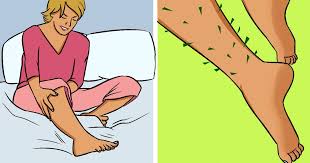
What are the common signs and symptoms of restless leg syndrome?

Many different symptoms are described by people with restless leg syndrome, for example:
leg pain,
cramps,
tingling,
itchy,
burning, and
aching.
The characteristic nighttime worsening of symptoms in persons with restless legs syndrome frequency leads to insomnia. Because of lack of sleep, children and some adults may be very drowsy, irritable, and aggressive during daytime hours.

Restless leg syndrome usually begins slowly. Over time, the legs become more affected. Less frequently, restless leg syndrome can affect the arms.

Is restless leg syndrome common during pregnancy? Restless leg syndrome is relatively common during pregnancy, especially in the second half of pregnancy. While most medications used to treat restless leg syndrome have not been adequately studied in pregnant women, the non-medication treatments and techniques described above can be very helpful. Furthermore, avoiding caffeine, warm compresses, massage, and regular exercising according to the doctors' suggestions can be helpful.
What causes restless leg syndrome?
The cause of restless leg syndrome is unknown in most people. However, restless leg syndrome has been associated with
pregnancy,
obesity,
smoking,
iron deficiency and anemia,
nerve disease,
polyneuropathy (which can be associated with hypothyroidism, heavy metal toxicity, toxins, and many other conditions),
other hormone diseases such as diabetes, and
kidney failure (which can be associated with vitamin and mineral deficiency).
Some drugs and medications have been associated with restless leg syndrome including:

caffeine,
alcohol,
H2-histamine blockers (such as ranitidine [Zantac] and cimetidine [Tagamet]), and certain antidepressants (such as amitriptyline [Elavil, Endep]).
Occasionally, restless leg syndrome run in families. Recent studies have shown that restless leg syndrome appears to become more common as a person ages. Also, poor venous circulation of the legs (such as with varicose veins) can cause restless leg syndrome.
Share:

Restless Leg Syndrome (Symptoms, Causes, Treatment Medications, Home Remedies)

Restless leg syndrome definition and facts
Restless leg syndrome is a condition marked by a strong urge to mover the legs along with symptoms of unpleasant sensations in the legs while resting and sleeping, for example, tingling, burning, and aching, while resting. The condition also causes leg pain and cramps. Symptoms of restless leg syndrome are aching and an urge to move the lower extremities It is suggested the main cause of restless leg syndrome is a problem using iron or the lack of iron in the brain.
Many conditions have been associated with restless leg syndrome because of the iron problem, for example, diabetes, rheumatoid arthritis, pregnancy, kidney failure, Parkinson's disease, and iron deficiency.
Restless leg syndrome tends to run in families.
Restless leg syndrome frequency leads to insomnia.
Treatment and home remedies for restless leg syndrome include medications and home remedies to manage symptoms and leg pain, increase the amount and quality of sleep, and treat underlying medical conditions.
Home remedies for restless leg syndrome include
quitting smoking,
reducing caffeine,
weight reduction for the overweight,
walking,
quinine water, and
iron supplementation for those that are iron deficient.
Restless leg syndrome is generally not considered curable, but treatments can substantially lessen or eradicate symptoms. Other conditions that my mimic restless leg syndrome include poor circulation to the lower extremities, fibromyalgia, and neuropathy. What is restless leg syndrome (RLS)? Readers Comments 82 Share Your Story Restless leg syndrome (RLS, restless legs syndrome) is a common cause of painful legs. The leg pain of restless leg syndrome typically eases with motion of the legs and becomes more noticeable at rest. Restless leg syndrome also features worsening of symptoms and leg pain during the early evening or later at night. Restless leg syndrome is often abbreviated RLS; it has also been termed shaking leg syndrome. Nighttime involuntary jerking of the legs during sleep are also known as periodic leg/limb movement disorder.
Share:

Lower Back Pain Symptoms, Diagnosis, and Treatment

The lumbar spine, or low back, is a remarkably well-engineered structure of interconnecting bones, joints, nerves, ligaments, and muscles all working together to provide support, strength, and flexibility.

However, this complex structure also leaves the low back susceptible to injury and pain. To help understand this complicated topic, this article presents a model for understanding symptoms, physical findings, imaging studies and injection techniques to come to a precise diagnosis. Once an accurate diagnosis of the cause of the lower back pain is attained, treatment options can be selected based on today’s best medical practices.

The Lumbar Spine, What Can Go Wrong The low back supports the weight of the upper body and provides mobility for everyday motions such as bending and twisting. Muscles in the low back are responsible for flexing and rotating the hips while walking, as well as supporting the spinal column. Nerves in the low back supply sensation and power the muscles in the pelvis, legs, and feet.

Most acute low back pain results from injury to the muscles, ligaments, joints, or discs. The body also reacts to injury by mobilizing an inflammatory healing response. While inflammation sounds minor, it can cause severe pain. There is a significant overlap of nerve supply to many of the discs, muscles, ligaments, and other spinal structures, and it can be difficult for the brain to accurately sense which is the cause of the pain. For example, a degenerated or torn lumbar disc can feel the same as a pulled muscle – both creating inflammation and painful muscle spasm in the same area. Muscles and ligaments heal rapidly, while a torn disc may or may not. The time course of pain helps determine the cause.
Share:

Four simple stretches to relieve neck pain

Neck pain is something most of us feel at some point. Whether it’s from sleeping in an awkward position, sitting still for hours, or a niggling old injury, that painful ache never seems to stay away for too long. While a trip to the physio might be in order to fix the problem long term, there are simple exercises you can do yourself at home to offer relief and ease soreness. Physiotherapist Kusal Goonewardena says these four stretches will gradually increase your range of movement over time. Remember, it’s important when doing any of these exercises not to push through pain. Some discomfort is ok, but pain is not. Gently ease yourself into the stretch and hold it when you feel the resistance without the pain. Trapezius stretch Put your right arm behind your back, put your left arm on your head, and then with your left hand gently tilt your head to the left hand side. Hold for 30 seconds and repeat three times on one side before doing the other. Neck rotation with opposite pressure Turn the head as far as you can tolerate (do not push into pain) and then provide resistance with your hand to the direction you’re going. Hold for three seconds. Release. Continue five times and your range will increase. This activates the muscles in the direction you want to turn. Fist under chin exercise This helps to strengthen the neck and also improve a little traction (stretch to the back of the neck). Make a fist, with your little finger resting on your sternum, and your thumb and forefinger under your chin. Gently use your other hand to push your head forward. Hold for 10 seconds and repeat three times. This helps open up the joints in the neck, therefore reducing pain and increasing mobility. Self massage at the base of the skull Place fingers from both hand either side of your neck bone, right at the base of the skull. You can achieve loosening in the muscles without any equipment, just apply a firm, rotational self-massage for 30 seconds to 1 minute on each side of the skull.
Share:

What is Elbow Pain?

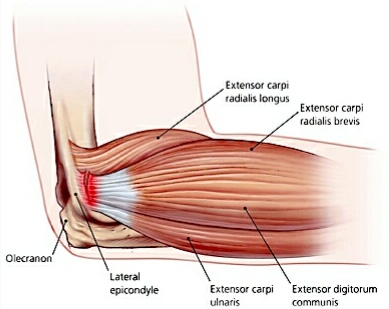
Elbow consists of bones, tendons and 3 joints that are humerus, ulna, and radius which form the hinge joint that makes it possible to move the arm. When the elbow is affected, it influences a person’s ability to do their regular activities and chores which can be really irritating. Elbow pain is very common and at some point in life, it affects the majority of people. Not every elbow pain is serious but can cause intense pain and discomfort. Pain in the elbow is frequently as a result of overuse especially in jobs, sports, and hobbies that need a continuous arm, hand and wrist motions. Causes Pain in the elbow may affect elbow ligaments, bones in the arm, arm muscles and tendons. Some causes of elbow pain are simple and the pain can disappear in several days after a good rest and use of painkillers. Elbow pain can be caused by a number of factors including: Overuse and sports injuries are among the common causes of elbow pain. This is mostly common in baseball pitchers, boxers, golfers, tennis players and people whose jobs require them to repetitively use their arms, hands or wrists. Elbow arthritis is a generally known cause of elbow pain especially osteoarthritis. This condition is caused by a wear and tear or injury in the elbow which affects the cartilage making it become fragile and damaged. Elbow arthritis, abnormal bone formation or fractures can cause elbow stiffness which makes you feel uncomfortable and unable to move your elbow. Fractured elbow which normally occurs with a sudden blow from a car accident or contact sport. Golfer’s elbow and tennis elbow are elbow problems that affect the internal and external parts of the elbow. This comes about after strenuous overuse of the tendons and muscles around the elbow joint which become painful and inflamed especially after playing golf or tennis. Bursitis affects bursae, small fluid-filled sacs that help lubricate and protect the elbow joint.Extended leaning on the elbow on hard surfaces, rheumatoid or a blow to the elbow can cause bursitis which brings about stiffness, swelling, and pain in the elbow. A trapped nerve can cause pain when the arm is elongated. This happens when the radial nerve is pinched by the elbow joint and cannot move freely. Osteochondritis dissecan a condition that occurs when a small piece of cartilage and bone becomes detached in the elbow joint. This mostly occurs in young people as a result of a sports injury to the elbow. Other causes include sprains, throwing injuries, strains, rheumatoid, and dislocated elbow. Symptoms Some symptoms may be mild and others severe but ensure to seek medical advice before starting on a treatment plan. Symptoms of elbow pain include: Pain and warmth over the bony part at the back of the elbow Intense or sudden pain Swelling and discoloration Struggling in bending the elbow Inability to move the joint Struggling in twisting the forearm to turn the palm upwards Numbness and tingling of your little finger and ring finger after bending your elbow for a long time. Pain when clenching Diagnosis The pain in your elbow will be diagnosed depending on your symptoms, your medical account, any possible causes and other medical conditions. The methods used to diagnose elbow pain include: A physical examination will be done, whereby the doctor will look and touch your elbow and joints that you could be experiencing pain. Your doctor will check for painful, swollen and tender parts. Based on the results of the physical exam and your medical history the doctor could carry out a lab test and X-ray or MRI (Magnetic Resonance Imaging) to confirm a diagnosis. If need be the doctor could also carry out a bursal fluid analysis. A computerized tomography (CT) scan may be carried out to diagnose any causes of elbow pain that don’t show up on X-ray. Treatment In the case of broken bones, a plaster cast would be used to immobilize the elbow to allow the two parts of the bone to heal in the right position. Sports massage is common in the treatment of soft tissue injuries. This massage is also good for athletes if done regularly to help prevent injuries. Depending on your condition physiotherapy could be useful in building up strength in your elbow and preventing the condition recurring. Medications recommended include Nonsteroidal anti-inflammatory medications or ibuprofen. A steroid injection may also be recommended to help reduce inflammation and pain. For people with tennis elbow, a technique called platelet-rich plasma (PRP) could be used. A blood sample would be taken from a patient, which is then treated to boost the number of platelets then it’s reinjected into the painful part to help stimulate healing in the surrounding tissues. An elbow replacement may be recommended for serious arthritis or fracture that causes nonstop pain. This involves detaching the injured joint parts and replacing them with plastic or metal implants. Refrain from using the affected elbow. Take some rest or cutoff from anyactivity. Icing can help reduce the pain and ease swelling. Put an ice pack on the affected elbow for 15 to 20 minutes. Homecare Home treatment could be beneficial in the healing process and even cure some simple elbow pain. Here are some helpful home care tips: Use over-the-counter painkillers such as ibuprofen or aspirin to decrease pain and inflammation. Do stretches and muscle-strengthening exercises once the pain has ceased. Ensure you consult with your physiotherapist to know which technique is right for you. Avoid any activities that can worsen your situation instead, allow your elbow to rest. Use ice packs or a warm, moist cloth, whichever works for you to help relieve pain and swelling. Massage the area gently to reduce pain and improve the flow of blood. Always elevate your elbow higher when you’re seated or lying down. Use a pillow to help elevate your elbow.
Share:

Why Does My Arm Hurt?

If your arm hurts, there could be a number of reasons why. Arm pain is usually described as pain, discomfort, or stiffness that occurs anywhere from your shoulders down to your fingers in one or both arms. Most often, it’s caused by an injury or overuse. But there are many other health conditions that can cause your arm to hurt. Heart Problems Pain in your left arm could be related to a heart condition. Angina, which is caused by decreased blood flow to the heart, can cause pain in the arm shoulder. A heart attack can cause pain in one or both arms. A heart attack happens when the oxygen supply to your heart is completely cut off due to a blockage that prevents blood from flowing into the muscle. If you’re having a heart attack, your arm pain will probably come on suddenly. If you’re having these symptoms, call 911. Sometimes, you can trace arm pain to a sports injury or simply using it too much. Other times, another condition could be to blame. Here are some other possible causes: Broken bones: If your arm starts to hurt right after a physical injury, you may have fractured it. You might also have swelling, bruising, numbness, or weakness. See your doctor right away so your arm will heal properly. Strain or sprain: An injury can cause damage to your muscles (a strain) or your ligaments (a sprain). Symptoms include pain, swelling, bruising, weakness, and muscle spasms. Both conditions will usually heal on their own, but if your symptoms are severe, you should see your doctor as soon as possible. Tendinitis: This happens when the tendons in your shoulder or arm become inflamed. Those are bands of tissue that connect muscles to bones. One example of tendinitis is “tennis elbow.” You could feel the pain in your shoulder, elbow, or wrist. It could be a result of an injury or – more often – overuse. Rotator cuff injury: This part of your shoulder is made up of muscles and tendons. It allows your shoulder to move or stay in place. As we age, tendons in the rotator cuff begin to wear down or tear. If you have a job where you make overhead motions over and over, you can damage it, too. Symptoms range from a dull ache and weakness in your arm to severe, constant pain. If you suspect a rotator cuff injury, see your doctor. You may need physical therapy. Carpal tunnel syndrome: Doing the same movements over and over with your wrist can cause damage to the main nerve in your hand. It can lead to numbness, tingling, weakness, and pain. Other Conditions In some cases, you can’t trace your arm pain to physical injury or overuse. It could be caused by diseased arteries in the upper part of your body. It might also be the result of stress, a new medication, or another medical condition, including: Pinched nerve: This happens when bones or tissues in your shoulder, neck, or elbow press against and compress a nerve. It causes pain, numbness, weakness, and tingling. Herniated disk: These are little cushions between the hard bones (vertebrae) that make up your spine. They allow your back to flex or bend. If one of the disks in your neck ruptures, it could cause a burning pain, numbness, weakness, and tingling or burning in your arms. Autoimmune diseases: If you have one of these conditions, your body’s natural defense system (immune system) attacks itself. Some of these -- like rheumatoid arthritis, lupus, and Jorgen’s syndrome -- can cause pain in the neck, arms, elbows, wrists, and hands.
Share:

What is neck pain? What are causes and risk factors for neck pain?

Pain located in the neck is a common medical condition. Neck pain can come from a number of disorders and diseases and can involve any of the tissues in the neck. Examples of common conditions causing neck pain are degenerative disc disease, neck strain, neck injury such as in whiplash, a herniated disc, or a pinched nerve. Neck pain can come from common infections, such as virus infection of the throat, leading to lymph node (gland) swelling and neck pain. Neck pain can also come from rare infections, such as tuberculosis of the neck, infection of the spine bones in the neck (osteomyelitis and septic discitis), and meningitis (often accompanied by neck stiffness). Neck pain can also come from conditions directly affecting the muscles of the neck, such as fibromyalgia and polymyalgia rheumatica as well as from uncomfortable positioning of the neck while sleeping with the head on a pillow. Neck pain is also referred to as cervical pain. Risk factors for neck pain include injury from involvement in contact sports, motor-vehicle accidents, bull or bronco horse riding, etc. Prevention of neck pain in the context of these activities should include neck strengthening exercises and often neck bracing. What are other symptoms that are associated with neck pain? Neck pain is commonly associated with dull aching. Sometimes pain in the neck is worsened with movement of the neck or turning the head. Other symptoms associated with some forms of neck pain include numbness, tingling, tenderness, sharp shooting pain, fullness, difficulty swallowing, pulsations, swishing sounds in the head, dizziness or lightheadedness, and lymph node (gland) swelling. Neck pain can also be associated with headache, facial pain, shoulder pain, and arm numbness or tingling (upper extremity paresthesias). These associated symptoms are often a result of nerves becoming pinched in the neck. Depending on the condition, sometimes neck pain is accompanied by upper back and/or lower back pain, as is common in inflammation of the spine from ankylosing spondylitis. What are the structures of the neck? There are seven vertebrae that are the bony building blocks of the spine in the neck (the cervical vertebrae) that surround the spinal cord and canal. Between these vertebrae are discs, and nearby pass the nerves of the neck. Within the neck, structures include the skin, neck muscles, arteries, veins, lymph nodes, thyroid gland, parathyroid glands, esophagus, larynx, and trachea. Diseases or conditions that affect any of these tissues of the neck can lead to neck pain. What specialties of doctors treat neck pain? Doctors who treat neck pain can include general medicine physicians, including family medicine doctors and internists, as well as orthopedists, rheumatologists, neurosurgeons, neurologists, ENT specialists, emergency physicians, physiatrists, and chiropractors. Other ancillary health professionals who treat neck pain include physical therapists, massage therapists, and acupuncturists. How do health-care professionals diagnose neck pain? In diagnosing the cause of neck pain, it is important to review the history of the symptoms. In reviewing the history, the doctor will note the location, intensity, duration, and radiation of the pain. Is the pain worsened or improved with turning or repositioning of the head? Any past injury to the neck and past treatments are noted. Aggravating and/or relieving positions or motions are also recorded. The neck is examined at rest and in motion. Tenderness is detected during palpation of the neck. An examination of the nervous system is performed to determine whether or not nerve involvement is present. Further testing of undiagnosed neck pain can include X-ray evaluation, CT scan, bone scan, MRI scan, myelogram, and electrical tests such as electromyography (EMG) and nerve conduction velocity test (NCV). What is the treatment for neck pain? What are home remedies for neck pain relief? The treatment of neck pain depends on its precise cause. Treatment options include rest, heat or cold applications, traction, soft-collar traction, physical therapy (ultrasound, massage, manipulation), local injections of cortisone or anesthetics, topical anesthetic creams, topical pain-relief patches, muscle relaxants, analgesics, and surgical procedures. Home remedies for treatment, such as Jacuzzi treatment, neck pain relief exercises and stretches, and neck pain relief products such as neck pillows for sleep and hot pads can be very beneficial for relief of some forms of neck pain. There are many treatment options, depending on the particular neck problem and past treatment experiences. Alternative treatments that have been used for relief of chronic neck pain include acupuncture. What is the prognosis for neck pain? The outlook for neck pain depends on the precise cause. Most forms of neck pain can resolve with conservative measures including rest, avoiding reinjury, and gradual rehabilitation. Is it possible to prevent neck pain? Neck pain can really only be prevented by avoiding injury to the neck. This would include minimizing the risks of injury during sports activities. Athletes who participate in collision sports can prevent neck injury with appropriate equipment, neck strengthening exercises, and occasional neck bracing.
Share:

Sore throat

Overview A sore throat is pain, scratchiness or irritation of the throat that often worsens when you swallow. The most common cause of a sore throat (pharyngitis) is a viral infection, such as a cold or the flu. A sore throat caused by a virus resolves on its own. Strep throat (streptococcal infection), a less common type of sore throat caused by bacteria, requires treatment with antibiotics to prevent complications. Other less common causes of sore throat might require more complex treatment. Symptoms of a sore throat can vary depending on the cause. Signs and symptoms might include: Pain or a scratchy sensation in the throat Pain that worsens with swallowing or talking Difficulty swallowing Sore, swollen glands in your neck or jaw Swollen, red tonsils White patches or pus on your tonsils Hoarse or muffled voice Common infections causing a sore throat might result in other signs and symptoms, including: Fever Cough Runny nose Sneezing Body aches Headache Nausea or vomiting When to see a doctor Take your child to a doctor if your child's sore throat doesn't go away with the first drink in the morning, recommends the American Academy of Pediatrics. Get immediate care if your child has severe signs such as: Difficulty breathing Difficulty swallowing Unusual drooling, which might indicate an inability to swallow If you're an adult, see your doctor if you have a sore throat and any of the following associated problems occur, according to the American Academy of Otolaryngology: A sore throat that is severe or lasts longer than a week Difficulty swallowing Difficulty breathing Difficulty opening your mouth Joint pain Earache Rash Fever higher than 101 F (38.3 C) Blood in saliva or phlegm Frequently recurring sore throats A lump in your neck Hoarseness lasting more than two weeks Causes Viruses that cause the common cold and flu (influenza) also cause most sore throats. Less often, bacterial infections cause sore throats. Viral infections Viral illnesses that cause a sore throat include: Common cold Flu (influenza) Mononucleosis (mono) Measles Chickenpox Croup — a common childhood illness characterized by a harsh, barking cough Bacterial infections A number of bacterial infections can cause a sore throat. The most common is Streptococcus pyogenes, or group A streptococcus, which causes strep throat. Other causes Other causes of a sore throat include: Allergies. Allergies to pet dander, molds, dust and pollen can cause a sore throat. The problem may be complicated by postnasal drip, which can irritate and inflame the throat. Dryness. Dry indoor air, especially when buildings are heated, can make your throat feel rough and scratchy, particularly in the morning when you wake up. Breathing through your mouth — often because of chronic nasal congestion — also can cause a dry, sore throat. Irritants. Outdoor air pollution can cause ongoing throat irritation. Indoor pollution — tobacco smoke or chemicals — also can cause a chronic sore throat. Chewing tobacco, drinking alcohol and eating spicy foods also can irritate your throat. Muscle strain. You can strain muscles in your throat by yelling, such as at a sporting event; talking loudly; or talking for long periods without rest. Gastroesophageal reflux disease (GERD). GERD is a digestive system disorder in which stomach acids or other contents of the stomach back up in the food pipe (esophagus). Other signs or symptoms may include heartburn, hoarseness, regurgitation of stomach contents and the sensation of a lump in your throat. HIV infection. A sore throat and other flu-like symptoms sometimes appear early after someone is infected with HIV. Also, someone who is HIV-positive might have a chronic or recurring sore throat due to a secondary infection, such as a fungal infection called oral thrush and cytomegalovirus (CMV) infection, a common viral infection that can be serious in people with compromised immune systems. Both oral thrush and CMV can occur in anyone, but they're more likely to cause a sore throat and other symptoms in people with weakened immune systems. Tumors. Cancerous tumors of the throat, tongue or voice box (larynx) can cause a sore throat. Other signs or symptoms may include hoarseness, difficulty swallowing, noisy breathing, a lump in the neck, and blood in saliva or phlegm. Rarely, an infected area of tissue (abscess) in the throat causes a sore throat. Another rare cause of a sore throat is a condition that occurs when the small cartilage "lid" that covers the windpipe swells, blocking airflow (epiglottitis). Both causes can block the airway, creating a medical emergency. Risk factors Although anyone can get a sore throat, some factors make you more susceptible, including: Age. Children and teens are most likely to develop sore throats. Children are also more likely to have strep throat, the most common bacterial infection associated with a sore throat. Exposure to tobacco smoke. Smoking and secondhand smoke can irritate the throat. The use of tobacco products also increases the risk of cancers of the mouth, throat and voice box. Allergies. Seasonal allergies or ongoing allergic reactions to dust, molds or pet dander, make developing a sore throat more likely. Exposure to chemical irritants. Particles in the air from burning fossil fuels and common household chemicals can cause throat irritation. Chronic or frequent sinus infections. Drainage from your nose can irritate your throat or spread infection. Close quarters. Viral and bacterial infections spread easily anywhere people gather, whether in child care centers, classrooms, offices or airplanes. Weakened immunity. You're more susceptible to infections in general if your resistance is low. Common causes of lowered immunity include HIV, diabetes, treatment with steroids or chemotherapy drugs, stress, fatigue, and poor diet. Prevention The best way to prevent sore throats is to avoid the germs that cause them and practice good hygiene. Follow these tips and teach your child to do the same: Wash your hands thoroughly and frequently, especially after using the toilet, before eating, and after sneezing or coughing. Avoid sharing food, drinking glasses or utensils. Cough or sneeze into a tissue and throw it away. When necessary, sneeze into your elbow. Use alcohol-based hand sanitizers as an alternative to washing hands when soap and water aren't available. Avoid touching public phones or drinking fountains with your mouth. Regularly clean telephones, TV remotes and computer keyboards with sanitizing cleanser. When you travel, clean phones and remotes in your hotel room. Avoid close contact with people who are sick.
Share: